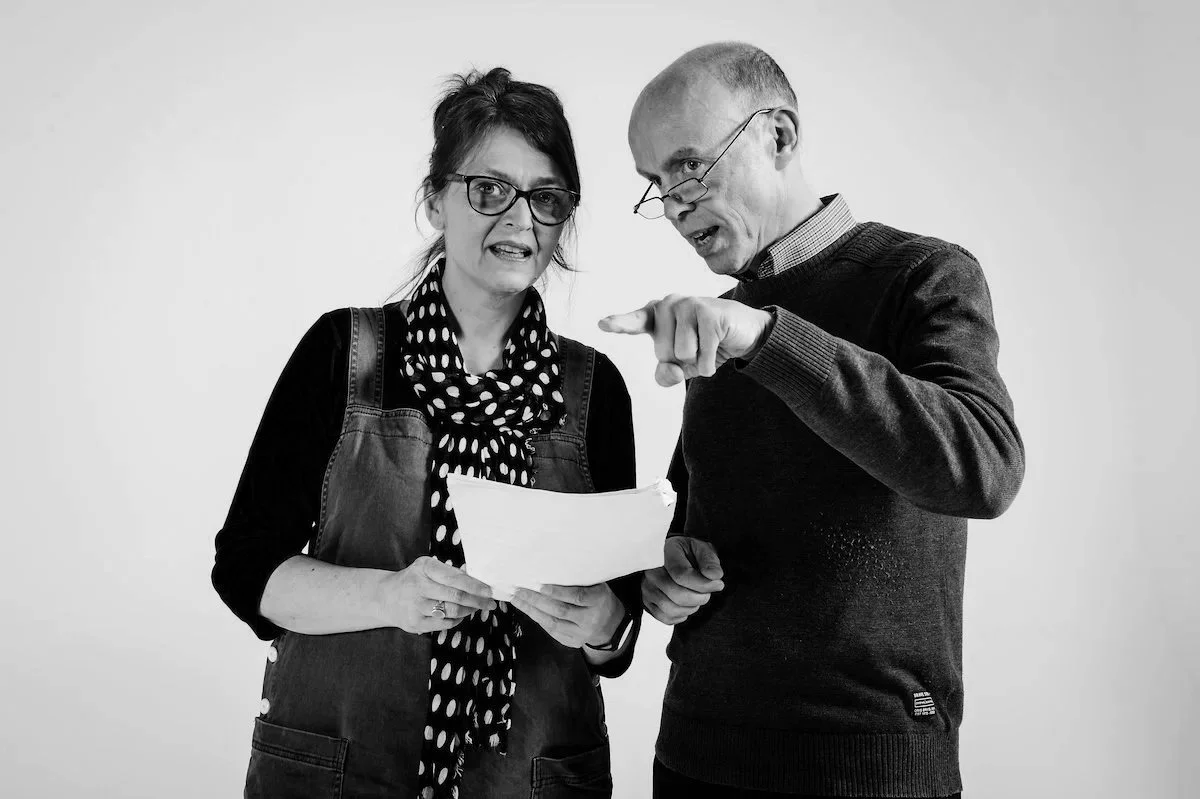
Kali Theatre was founded in 1991 by writer Rukhsana Ahmad and director Rita Wolf. Their first production, Song for a Sanctuary, was born from a shared desire to tell a story the wider world had ignored.
OUR STORY
Rita recalls how it began:
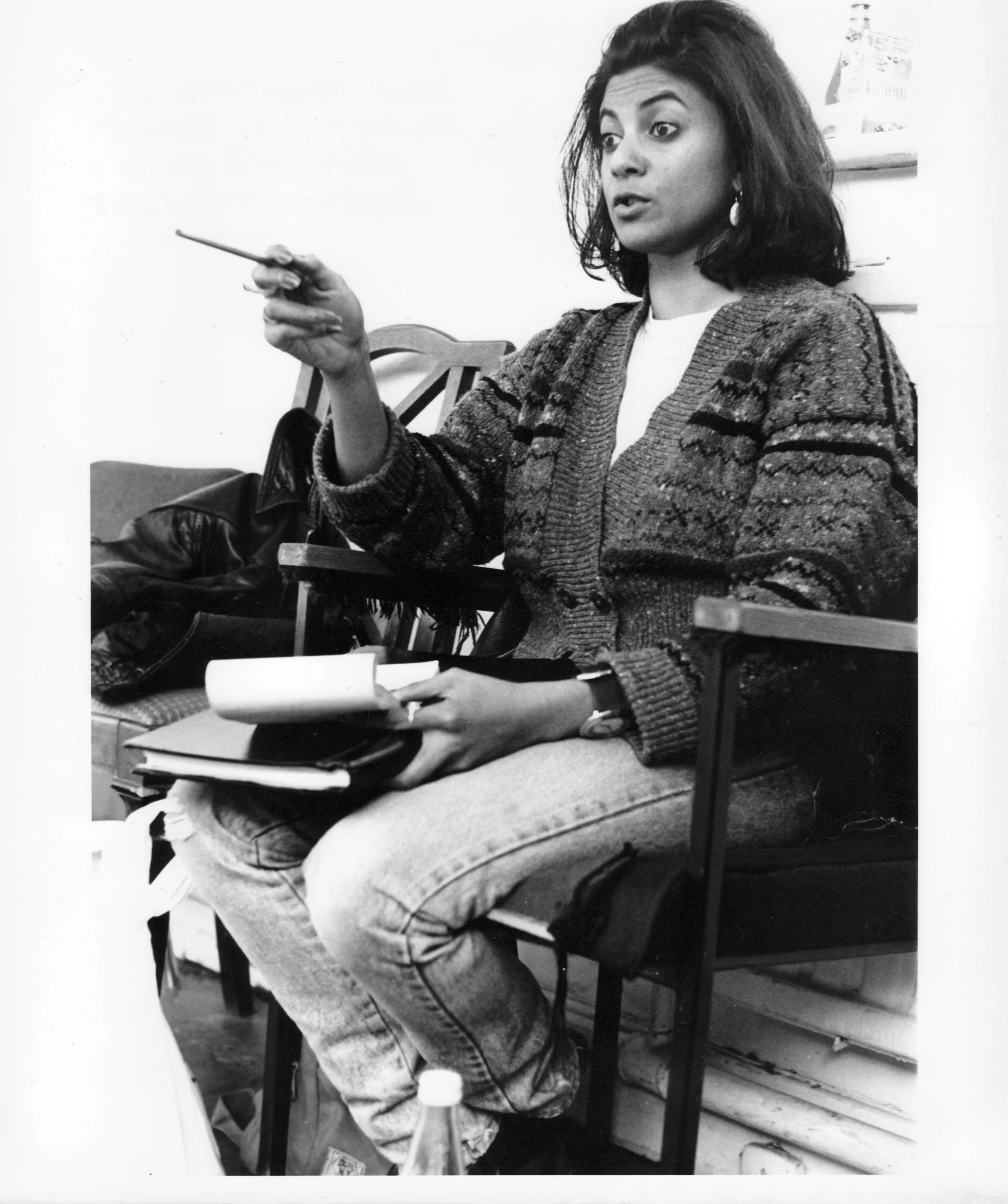
“In 1990 I read in a local newspaper of the horrific death of Balwant Kaur, a Sikh woman murdered in a London women's refuge by her husband and in front of their children. His outrage was that she had left him and their abusive marriage. The tale triggered all my ‘hot spots’. I was angry that Balwant’s story did not receive the proper widespread news coverage I felt it warranted. This was the brutal murder of a woman in a supposed safe space. Then I heard through the grapevine about a playwright who had been moved to turn Balwant’s story into a drama and sought her out. ‘We have to do this play!’ I remember saying to her. The writer was Rukhsana Ahmad and the play became Song for a Sanctuary, Kali Theatre’s inaugural production.
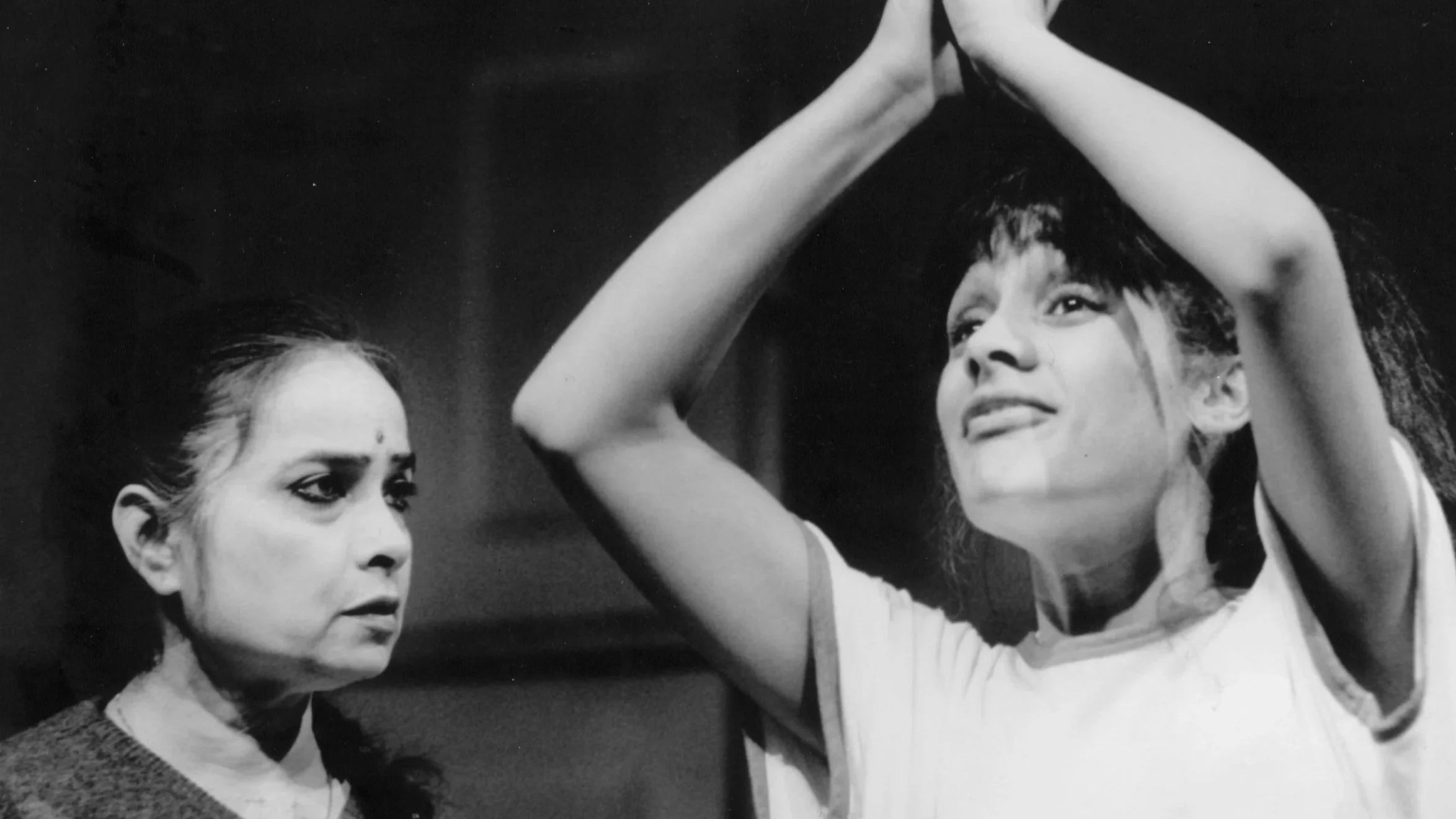
Kali ( the Bengali word for ink as well as the name of a Hindu Goddess) theatre company was formed after repeated approaches to established theatre venues and companies to produce the play had failed. We decided to do it ourselves. I took on the role of director for the first time and in 1991 Kali toured the UK with an Arts Council grant—I remember hours spent battling through their paperwork—closing with a successful run at the Lyric Theatre Studio in London. The production was raw and real. Our audiences were consistently moved. We were finally telling Balwant's story and the story of numerous other women. We were on our way.
A small footnote: One of the rehearsed readings featured a wonderfully game young actress who wanted to do something—anything—to help. She ended up pressing a buzzer offstage to indicate a doorbell and reading a small part. Her name was Nina Wadia"
That spirit of determination—of making work on our own terms because it simply had to be made—has defined Kali ever since.
When Rita Wolf moved to New York, Rukhsana Ahmad assumed the role of Artistic Director. She takes up the story:
“I programmed, fundraised and ran writing workshops, and chose professional directors to work with our writers. In 1994 we launched Stagecraft and Writers’ Workshops at Oval House to develop new plays for the company. Following a summer break for writing and dramaturgy, plays were presented at Tara Arts and attracted a lively audience.
In 1995 we presented Joyoti Grech’s Natural World directed by Anne Edyvean. More development, dramaturgy and readings followed but fundraising was difficult without a charity structure. Tony Craze kindly offered to lead, and Penny Gold and Helena Bell were amongst the wonderful women who agreed to become trustees—giving a significant spur to Kali’s future.
In 1999 we presented Love Comes in at the Window, combining Anu Kumar’s The Ecstasy with my adaptation of Manto’s Black Shalwar. In 2000–2001, my play River on Fire ran at the Lyric Hammersmith and also toured. In 2001 we toured Singh Tangos by Bettina Gracias directed by Caroline Ward. In 2000 we presented Meri Kahani and in 2002, Meri Kahani, Meri Duniya—readings of plays written by members of Southall Black Sisters’ Support Group for survivors of domestic violence.
I stepped down in 2002 when revenue funding for Kali demanded full-time work.”
Janet Steel
Artistic Director 2002–2016
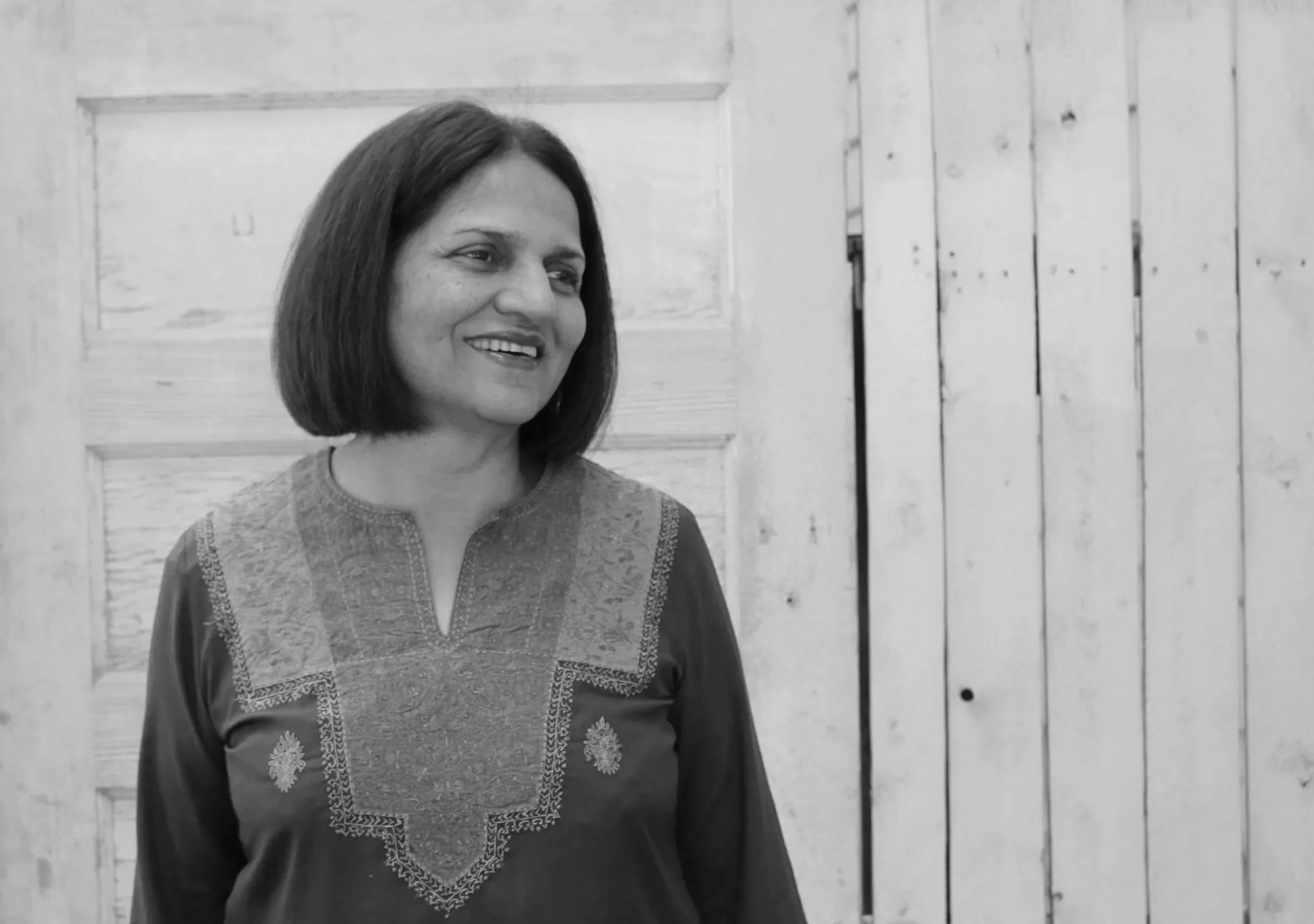
Janet was Kali’s first full-time Artistic Director. Over fourteen years, she established Kali’s reputation for presenting work that explored contemporary social and political issues.
For Kali she directed Sock ’em with Honey by Bapsi Sidhwa, Calcutta Kosher by Shelley Silas, Chaos and Paper Thin by Azma Dar, Deadeye by Amber Lone, Zameen by Satinder Kaur Chohan, A Thin Red Line by Sonali Bhattacharyya, Another Paradise by Sayan Kent, Behna by Sonia Likhari, Mustafa by Naylah Ahmed, Shared Memories, The Husbands by Sharmila Chauhan, My Big Fat Cowpat Wedding by Sayan Kent, Twelve, The Dishonoured by Aamina Ahmad, and over 25 readings of work in development.
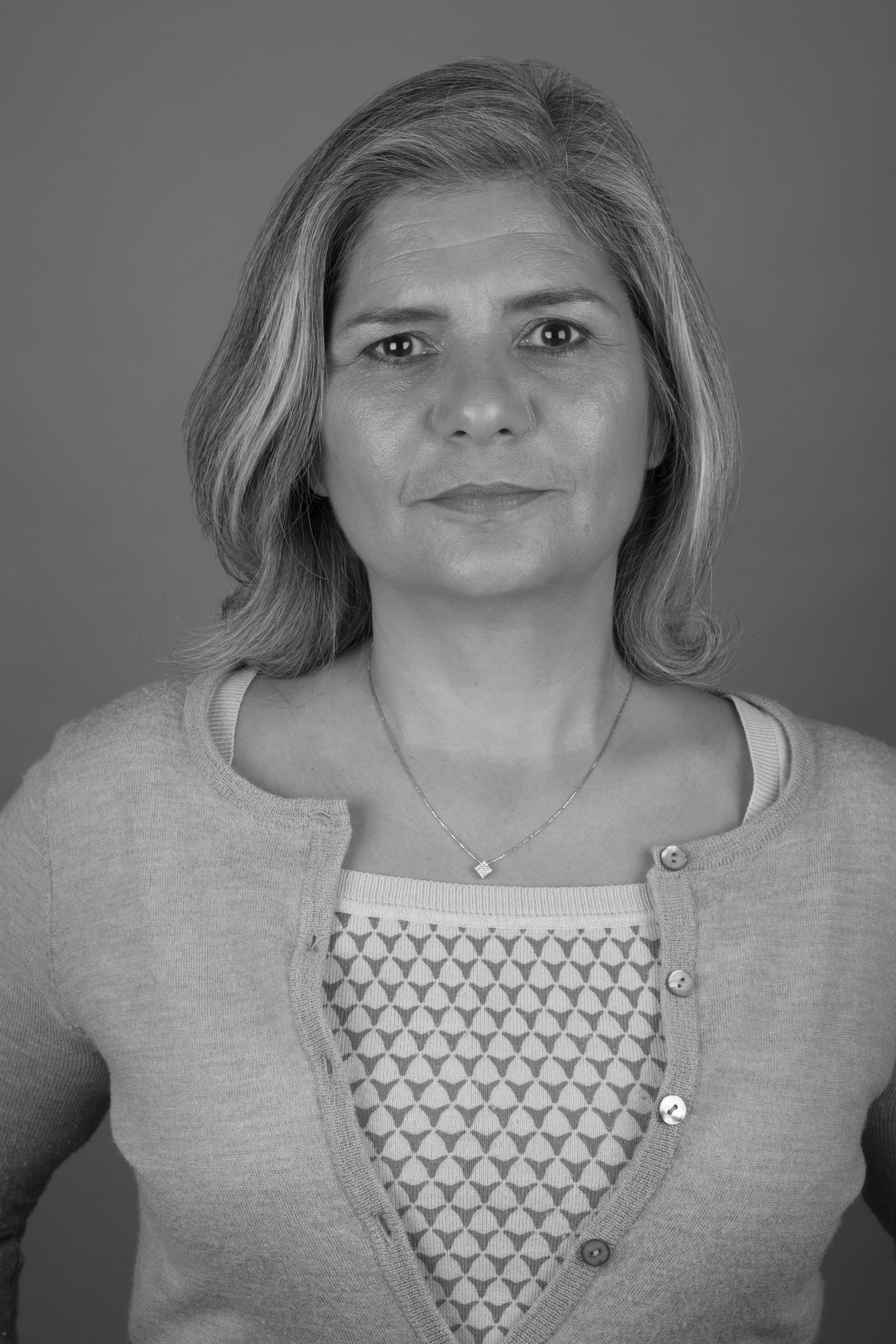
Helena Bell
Artistic Director 2016–2025
Helena joined Kali’s board as a trustee in the 1990s before returning to lead the company as Artistic Director. Her relationship with Kali ran deep: she had directed Rukhsana Ahmad’s acclaimed River on Fire in 2000 at the Lyric Hammersmith (shortlisted for The Susan Smith Blackburn Award) and later directed Love Comes in at the Window.
As Artistic Director, Helena directed Ready or Not by Naylah Ahmed, Sundowning by Nessah Muthy, Homing Birds by Rukhsana Ahmad and ten Kali Solos—the series of video monologues produced during lockdown. She was Artistic Producer for Phantasmagoria by Deepika Arwind and King Troll by Sonali Bhattacharyya.
Helena instigated and led Kali’s highly successful Discovery and Festival writer support programmes, developing a total of 46 new plays.
Beyond Kali, Helena was previously Artistic Director of Pursued by a Bear Productions, where she led innovative developments in new writing and internationalism. Her commissions were global in scope, with plays set in Russia (Kalashnikov: in the Woods by the Lake by Fraser Grace), Africa (Footprints in the Sand—a refugee-themed double bill by Oladipo Agboluaje and Rukhsana Ahmad) and India (Kabaddi Kabaddi Kabaddi by Satinder Chohan), which Kali co-produced for The Arcola and a national tour.
From 1988 to 1998 Helena was Co-Artistic Director of Brighton’s Alarmist Theatre, where she experimented with new writing and form, creating international work in Moscow and site-specific work in museums, alongside dance-theatre collaborations.
Helena had a mixed-race heritage (Indian father, white British mother). She often spoke of how the extensive work she undertook with South Asian writers and theatre practitioners was a way for her to research, access and encounter aspects of her own dual heritage.
Helena died after a short illness on 31 January 2025.
Read some heartfelt tributes to Helena we have since received here.